
Do you dream of a soft, fluffy Vanilla Bean Pound Cake that melts in your mouth? You're in the right place! In this post, I’ll guide you step-by-step through easy copycat recipes that will help you create this delightful treat. You’ll learn how to gather the right ingredients, follow simple steps, and avoid common mistakes. Let’s bake something amazing together! Ready to impress your taste buds?
Why I Love This Recipe
- Rich Flavor: The combination of butter and vanilla bean creates a decadent flavor that is simply irresistible.
- Perfect Texture: This pound cake is incredibly fluffy and moist, making it a delightful treat for any occasion.
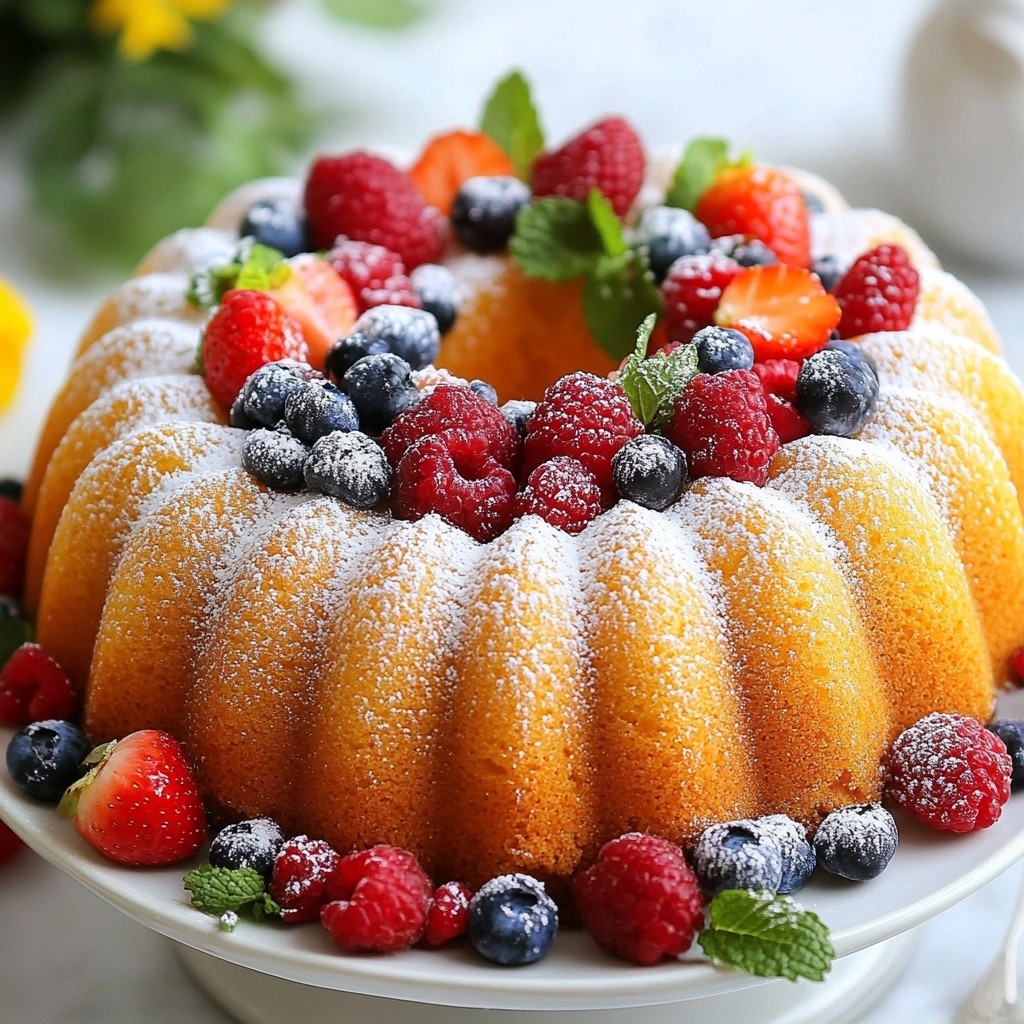
- Versatile Serving Options: It can be enjoyed plain, dusted with powdered sugar, or dressed up with a glaze and fresh fruit.
- Easy to Make: With straightforward steps, this recipe is perfect for bakers of all skill levels, ensuring success every time.
Ingredients
List of Ingredients
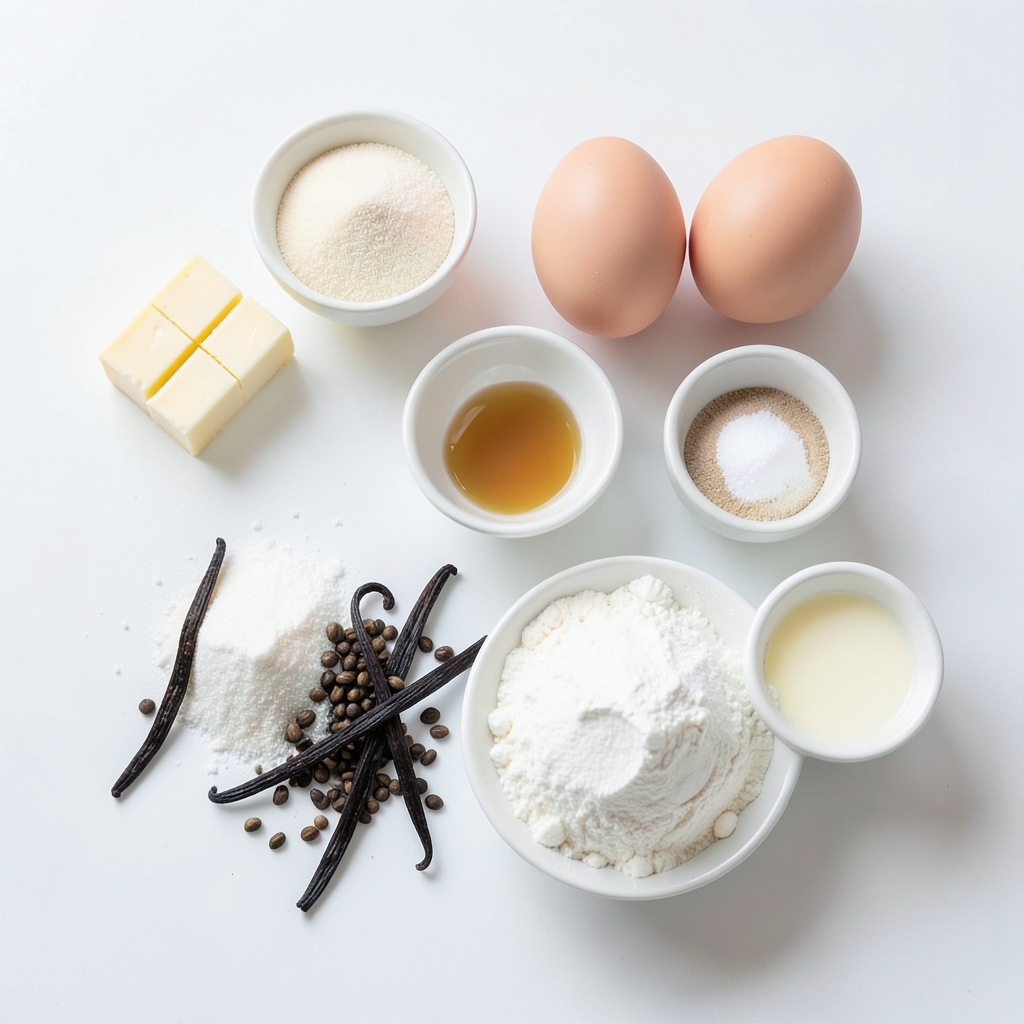
To make this fluffy copycat vanilla bean pound cake, gather these key ingredients:
- 1 cup unsalted butter, softened
- 2 cups granulated sugar
- 4 large eggs
- 1 tablespoon vanilla extract
- 1 vanilla bean, split and scraped (seeds only)
- 3 cups all-purpose flour
- 1 teaspoon baking powder
- ½ teaspoon salt
- 1 cup whole milk
Measurements and Substitutions
You can substitute some ingredients if needed. Use salted butter if you prefer a richer taste. For sugar, a mix of granulated and brown sugar adds depth. If you want a lighter option, swap whole milk for almond or oat milk. Eggs can be replaced with flax eggs for a vegan twist. Use gluten-free flour if you need a gluten-free version.
Quality Tips for Ingredients
The quality of your ingredients matters. Use fresh eggs for the best rise and texture. Choose real vanilla extract and a good vanilla bean for true flavor. Sift your flour to avoid clumps and ensure lightness. Check the baking powder’s freshness for a good rise. For butter, room temperature is best for easy mixing. Always measure ingredients carefully for consistent results.
Step-by-Step Instructions
Prepping the Oven and Pan
Start by preheating your oven to 350°F (175°C). This step helps the cake bake evenly. While the oven heats, grease and flour a 10-inch bundt pan or loaf pan. This ensures the cake does not stick. I recommend using butter for greasing. It adds flavor and helps the flour cling well.
Creaming the Butter and Sugar
In a large bowl, add 1 cup of softened unsalted butter and 2 cups of granulated sugar. Use an electric mixer on medium speed. Mix for about five minutes. You want the mixture to become light and fluffy. This step adds air to the batter, making your cake soft.
Mixing in Eggs and Vanilla
Next, add 4 large eggs one at a time. Make sure to mix well after each egg. This helps blend the eggs into the butter-sugar mix fully. Then, add 1 tablespoon of vanilla extract and the seeds from 1 vanilla bean. Stir until everything is well combined. The vanilla will give your cake a rich, warm flavor.
Combining Dry Ingredients
Grab another bowl and whisk together 3 cups of all-purpose flour, 1 teaspoon of baking powder, and ½ teaspoon of salt. Mixing dry ingredients separately helps ensure even distribution. This way, your cake will rise nicely and taste balanced.
Final Batter and Baking
Now, it's time to combine the mixtures. Gradually add the dry ingredients to the butter mixture. Alternate this with 1 cup of whole milk. Start and end with the flour mixture. Mix until just combined and smooth. Pour the batter into the prepared pan, smoothing the top with a spatula. Bake for 60-70 minutes. Check doneness with a toothpick; it should come out clean. Once done, let the cake cool in the pan for 15 minutes, then transfer it to a wire rack.
Tips & Tricks
Achieving the Fluffiest Texture
To make your pound cake fluffy, use room temperature butter. It blends well with sugar, trapping air. Cream the butter and sugar for a full five minutes. This step is key! Add your eggs one by one. Mix well after each addition. This helps keep the batter light. Alternate adding your dry ingredients and milk. Start and end with dry ingredients. Over-mixing can make the cake dense, so mix just until combined.
Common Mistakes to Avoid
Many home cooks skip the creaming step. This is a big mistake! If your butter is too cold, it won’t cream well. Also, don’t add all eggs at once. Incorporate them one by one to keep the batter airy. Make sure to measure flour correctly. Spoon it into your cup, then level it off. Too much flour leads to a heavy cake. Lastly, avoid opening the oven door too early. This can cause the cake to sink in the middle.
Expert Suggestions for Flavor Enhancements
For a richer taste, add a pinch of salt. It enhances the sweetness in the cake. You can also try mixing in citrus zest. Lemon or orange zest adds a fresh twist. Using both vanilla extract and beans gives a depth of flavor. If you want a fun touch, fold in mini chocolate chips or nuts. This adds texture and flavor. Consider topping your cake with a vanilla glaze or fresh fruit. It makes for a lovely presentation and adds a burst of flavor!
Pro Tips
- Room Temperature Ingredients: Ensure all your ingredients, especially butter and eggs, are at room temperature for better mixing and a fluffier texture.
- Don’t Overmix: Once you add the dry ingredients, mix just until combined to avoid a dense cake. A few lumps are okay!
- Check for Doneness: Use a toothpick to check if the cake is done. If it comes out clean or with a few crumbs, it's ready!
- Cool Completely: Allow the cake to cool completely before slicing to ensure clean cuts and the best texture.
Variations
Flavor Combinations
You can add fun flavors to this pound cake. Try lemon zest for a fresh twist. Almond extract adds a nutty taste. For a chocolate touch, mix in cocoa powder. You can even use spices like cinnamon or nutmeg for warmth. Each flavor brings a new delight to your cake.
Dietary Adjustments (Gluten-Free, Dairy-Free)
If you need gluten-free, use a gluten-free flour blend. This works well while keeping the cake's fluffiness. For a dairy-free version, swap butter with coconut oil. You can use almond or oat milk instead of whole milk. These changes still give you a tasty cake everyone can enjoy.
Alternative Toppings and Garnishes
Toppings can elevate your pound cake. A simple dusting of powdered sugar adds beauty. For a glaze, mix powdered sugar with milk and vanilla. Fresh berries like strawberries or blueberries add color and flavor. Mint leaves can give a fresh touch. Each garnish makes the cake look even more inviting.
Storage Info
How to Store Leftover Pound Cake
Store leftover pound cake in an airtight container. This keeps it fresh and moist. You can also wrap it tightly in plastic wrap. Keep the cake at room temperature for up to three days. If you want it to last longer, place it in the fridge. Just remember, the fridge can dry it out a bit.
Freezing Tips for Long-Term Storage
For longer storage, slice the pound cake first. Wrap each slice in plastic wrap. Then, place the wrapped slices in a freezer bag. Make sure to remove as much air as possible. Label the bag with the date. You can freeze the cake for up to three months. When you’re ready to eat, take out only what you need.
Best Ways to Reheat or Revive the Cake
To reheat your pound cake, preheat the oven to 350°F (175°C). Place the cake on a baking sheet. Heat it for about 10-15 minutes. This brings back its fresh-baked flavor. If you want to serve it warm, you can also use the microwave. Heat a slice for 10-15 seconds. Add a dollop of whipped cream or a scoop of ice cream for a tasty touch!
FAQs
What makes a pound cake fluffy?
A fluffy pound cake comes from creaming butter and sugar well. When you beat them together, you add air. This air makes the cake rise and stay soft. Also, using eggs helps with this light texture. Be sure to mix until everything is just combined. Overmixing can make it dense.
Can I use other types of flour?
Yes, you can use other flours. However, all-purpose flour works best for fluffiness. If you try cake flour, it may make your cake lighter. Gluten-free flour can work too, but the texture might change. If using gluten-free flour, check if it has a binder like xanthan gum.
How do I know when the pound cake is done?
To check if the cake is done, insert a toothpick in the center. If it comes out clean, your cake is ready. The top should look golden brown. You can also gently press the top. If it springs back, it’s done.
How can I incorporate mix-ins like chocolate or nuts?
You can add mix-ins easily! Just fold in chocolate chips or nuts at the end. Make sure to coat them with a bit of flour first. This prevents them from sinking to the bottom. Add about 1 cup of mix-ins for a great taste.
What’s the best way to serve vanilla bean pound cake?
Serving vanilla bean pound cake is fun! You can dust it with powdered sugar for a sweet touch. A drizzle of vanilla glaze adds flavor too. Fresh berries and mint leaves make it pretty. Serve it with a scoop of ice cream for an extra treat!
We covered all the steps to make a great pound cake. You learned about essential ingredients, how to prep and bake, and tips for a fluffy texture. Variations allow you to customize each cake to your taste or needs. Proper storage keeps your cake fresh, and our FAQs answer common questions. Enjoy experimenting with flavors and sharing delicious slices with others. Your baking journey starts here—let the cake-making begin!